
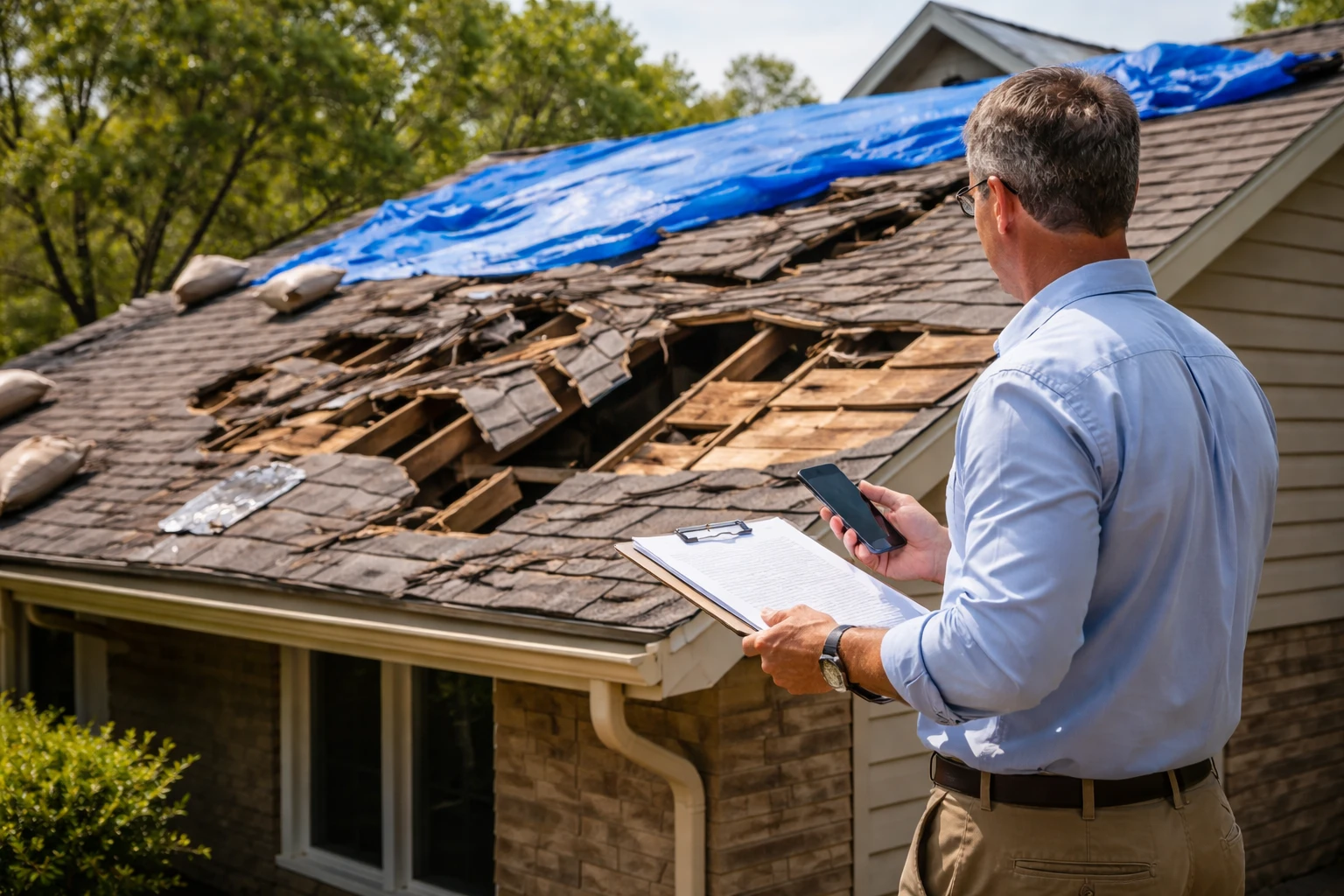
You’re staring at damage. Maybe it’s a leaking ceiling after a storm. Maybe it’s smoke from a kitchen fire. Or worse. And now the big question hits: do I need a public adjuster?
I’ve seen homeowners freeze at this exact moment. Not because they don’t care—but because the insurance process feels like a maze. One wrong turn, and you could leave serious money on the table. That’s not dramatic. That’s reality.
Let’s break this down clearly, simply, and honestly—so you can make the right call.
What Is a Public Adjuster? (And Why It Matters More Than You Think)
A public adjuster is a licensed professional who works for you, not the insurance company. That distinction alone changes everything.
Here’s what they actually do:
- Inspect and document property damage
- Review your insurance policy in detail
- Prepare and submit your claim properly
- Negotiate directly with the insurance company
Now compare that to the insurance adjuster assigned to your claim. They work for the insurer. Their goal? To settle the claim—efficiently and within company guidelines.
Not necessarily unfair. But not necessarily in your favor either.
The Short Answer: Do I Need a Public Adjuster?
Here’s the truth. You don’t always need one.
But in the right situation, hiring one can dramatically increase your payout and reduce stress.
You likely need a public adjuster if:
- Your claim is large or complex
- You feel the insurance offer is too low
- You don’t fully understand your policy
- You don’t have time to manage the process
You may not need one if:
- The damage is minor
- The insurer is responsive and transparent
- You’re confident handling documentation and negotiation
Simple. But the nuance matters. Let’s go deeper.
7 Signs You Should Hire a Public Adjuster
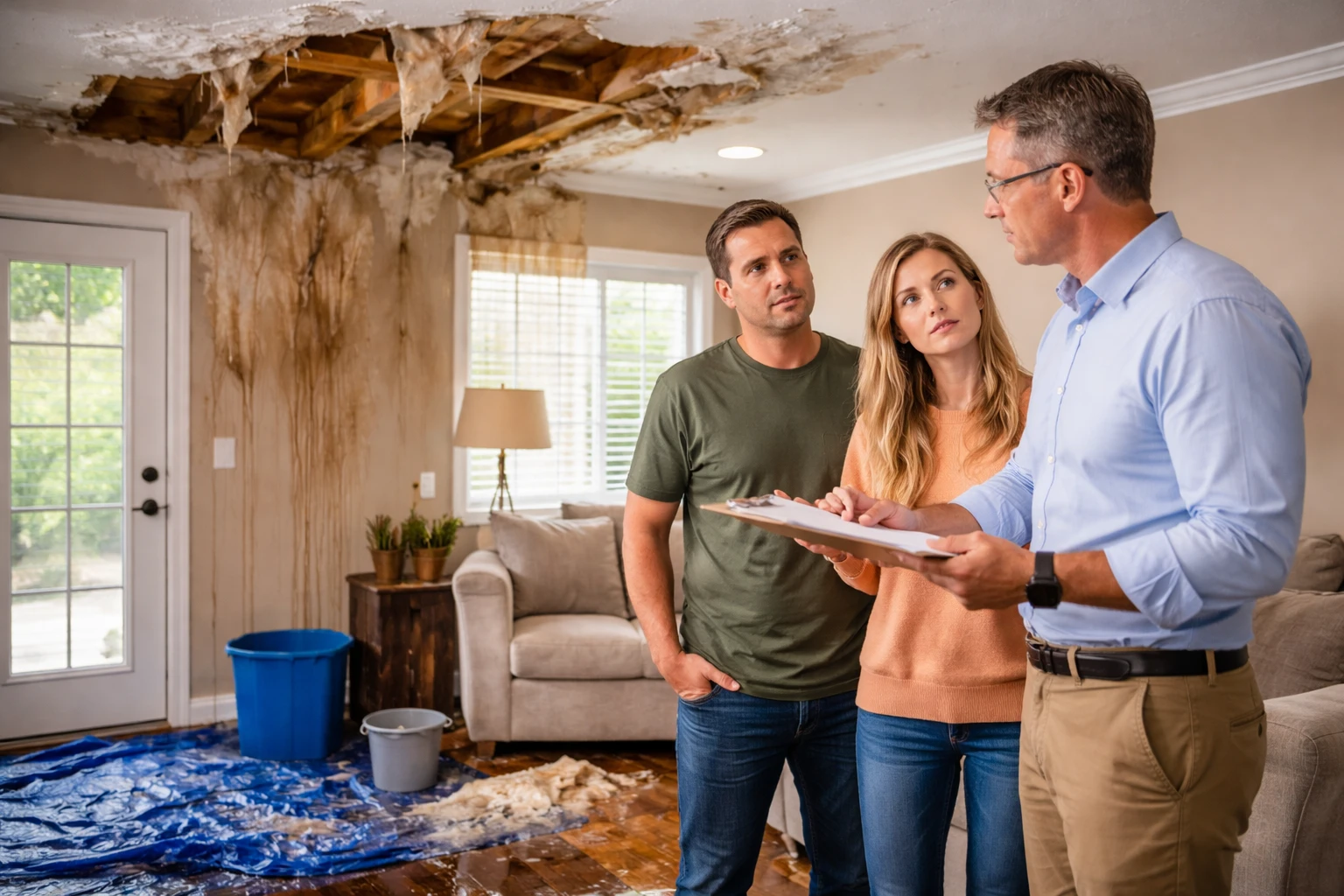
1. Your Claim Is High-Value
Big damage changes everything. Roof replacements, fire damage, structural issues—these aren’t small claims.
The more money involved, the more room there is for mistakes… or underpayment.
2. The Insurance Offer Feels Low
That first offer? It’s often not final.
If something feels off, trust that instinct. Many homeowners accept less simply because they don’t know they can challenge it.
3. You Don’t Fully Understand Your Policy
Insurance policies are dense. Limits, exclusions, depreciation—it’s easy to miss key details.
A public adjuster reads between the lines. That’s where money is often found.
4. The Process Feels Overwhelming
Paperwork. Deadlines. Phone calls. Inspections.
It adds up fast. If you’re juggling work, family, or business responsibilities, this can become a second full-time job.
5. Your Claim Was Delayed or Denied
This is a major red flag.
If your claim is stalled or rejected, a public adjuster can step in, re-evaluate, and reopen the case with stronger documentation.
6. There’s Hidden or Multiple Damage Types
Water damage often leads to mold. Storm damage may include structural issues you don’t see right away.
Miss one detail, and you lose compensation tied to it.
7. You Simply Don’t Have Time
Time matters. Claims have deadlines. Miss one, and you could lose leverage.
Sometimes the smartest move is handing it to a professional.
When You DON’T Need a Public Adjuster
Let’s keep this balanced.
You probably don’t need a public adjuster if:
- The damage is minor (small leak, minor repair)
- The insurer is cooperative and fair
- The settlement matches repair estimates
- You’re experienced in handling claims
But even then—review everything carefully. Small mistakes still cost money.
How a Public Adjuster Actually Helps You
Let’s walk through what happens behind the scenes.
Step-by-Step Process
- Policy Review
They analyze your coverage line by line. No guessing. - Damage Inspection
They look beyond surface damage. This is where hidden value is uncovered. - Documentation
Photos, reports, estimates—everything is detailed and organized. - Claim Preparation
They structure the claim to align with your policy. This is critical. - Negotiation
They handle back-and-forth with the insurance company until a fair settlement is reached.
Where the Real Value Comes In
Most homeowners underestimate damage. Or miss items entirely.
A public adjuster ensures:
- Nothing is overlooked
- Everything is properly valued
- The claim reflects the full scope of loss
That’s not just helpful. It’s often the difference between a partial payout and a complete one.
San Marcos Risks That Make This Decision Even More Important
If you’re in San Marcos, certain risks increase the importance of getting claims right.
- Sudden storms and hail damage
- Flash flooding risks
- Plumbing issues tied to soil movement
- Heat-related wear on roofing and materials
These aren’t always straightforward claims. Damage can be layered, delayed, or partially hidden.
Which brings us back to the key question: do I need a public adjuster?
In areas with unpredictable conditions like San Marcos, the answer leans more toward yes—especially for larger claims.
How Much Does a Public Adjuster Cost?
Let’s talk numbers.
Most public adjusters charge a percentage of your settlement, typically between:
No upfront payment in most cases. They get paid when you get paid.
Is It Worth It?
Think in terms of outcomes.
- If they increase your claim by 30%–50%
- And take a 10% fee
You’re still ahead.
That’s why many homeowners view this as an investment, not an expense.
Pros and Cons of Hiring a Public Adjuster
Pros
- Higher potential settlements
- Less stress and time commitment
- Professional claim handling
Cons
- Percentage-based fee
- Not always necessary for small claims
Common Mistakes Without a Public Adjuster
This is where most people lose money.
- Accepting the first offer too quickly
- Missing hidden damage
- Underestimating repair costs
- Misinterpreting policy coverage
- Failing to document everything
These aren’t rare mistakes. They’re common. And expensive.
How to Choose the Right Public Adjuster in San Marcos

Not all adjusters are equal. Choose carefully.
What to Look For
- Licensed in Texas
- Experience with similar claims
- Strong local reputation
- Clear, transparent fees
- Willingness to explain the process
Red Flags
- High-pressure sales tactics
- Vague fee structures
- Lack of references
Take your time. The right choice pays off.
Real-Life Scenario: With vs Without a Public Adjuster
Let’s make this practical.
| Scenario | Without Adjuster | With Adjuster |
| Initial Offer | $18,000 | $18,000 |
| Final Settlement | $20,000 | $32,000 |
| Time Spent | High | Low |
| Stress Level | High | Managed |
Same damage. Different outcome.
Final Verdict: Do I Need a Public Adjuster?
So, do I need a public adjuster?
Here’s the honest answer.
- If your claim is small and straightforward, probably not
- If your claim is large, complex, or disputed, you should strongly consider it
This isn’t just about convenience. It’s about protecting your financial outcome.
I always tell homeowners this:
If there’s significant money on the line, don’t go in alone.
What You Should Do Next
Before you accept any settlement:
- Review your policy carefully
- Get an independent perspective
- Ask questions—lots of them
If you’re still unsure whether you need a public adjuster, getting a professional opinion could make a five-figure difference in your claim.
And that’s not something you want to guess on.
FAQs
No, you typically don’t need one for small or straightforward claims, but larger or complex claims often benefit from professional help.
Yes, many homeowners see higher settlements because public adjusters document damage thoroughly and negotiate more effectively.
You should consider hiring one right after significant damage occurs or if your claim becomes complicated, delayed, or underpaid.
Yes, you can bring in a public adjuster at almost any stage, even if your claim has already been submitted or denied.
Most public adjusters charge a percentage of the final settlement, usually between 10%.
In many cases, yes—especially if they increase your settlement enough to outweigh their fee.
A public adjuster works for you, while an insurance adjuster works for the insurance company.
Yes, they can reassess the damage and submit additional documentation to challenge a denial.
Not usually—in fact, they often speed up the process by handling paperwork and negotiations efficiently.
Compare it with repair estimates and consider getting a professional review if it doesn’t fully cover your losses.