
An approved claim can still leave you short. A San Marcos homeowner gets a check after a hailstorm, calls three roofers, and finds every bid is well above what the insurer paid. A business owner receives a settlement that leaves out the rooftop units and half the interior. An underpaid insurance claim in San Marcos usually has specific, identifiable causes: missed damage, low quantities, unrealistic pricing, or deductions that were never clearly explained. As a San Marcos public adjuster, we review the insurer's estimate against the actual damage and help you decide whether there is a documented basis to ask for more.
Warning Signs Your Settlement Is Too Low
- Local contractor bids are substantially higher than the insurer's replacement cost total.
- The estimate repairs a few shingles or panels where matching material is not available.
- Only one roof slope or one side of the house is included, though damage appears on several.
- Gutters, screens, fences, outbuildings, or interior ceilings you pointed out are missing.
- Depreciation looks heavy, and nobody explained how it was calculated.
- Permits, code items, debris removal, or general contractor overhead and profit are absent where they may apply.
- Additional living expenses or contents were never addressed.
Where the Money Goes Missing
| Category | Typical problem | Supporting evidence |
|---|---|---|
| Scope | Damaged items left out of the estimate entirely | Photos and notes for each item, tied to the date of loss |
| Quantities | Roof squares, waste, wall area, or linear feet measured short | Independent measurements and diagrams |
| Repair vs. replace | Spot repairs where materials cannot be matched or are too brittle | Product availability information, test repairs, contractor statements |
| Pricing | Unit costs below what Central Texas contractors charge | Itemized local bids and invoices; correct price list date |
| Code items | Required upgrades not included | Permit requirements and ordinance or law coverage |
| Depreciation | Excessive or misapplied depreciation | Age and condition records, policy wording |
For roof claims in particular, our guide on how to review an underpaid roof insurance estimate covers the line items that are most often short.
Understanding the Payment Math
Even an accurate estimate can produce a check that looks wrong. Most replacement cost claims are paid in stages:
- Replacement cost value (RCV): the estimated cost to repair or replace with like kind and quality.
- Less depreciation: the result is actual cash value (ACV).
- Less the deductible: on many Texas policies, a separate wind/hail deductible written as a percentage of the dwelling limit.
- Less prior payments.
- Recoverable depreciation: often released after repairs are completed, within any time limit in the policy.
Some Texas policies pay roofs only at actual cash value or use a roof payment schedule, which can explain a low roof payment even when the estimate is complete. Our claim calculator lets you test your own numbers, and our article on replacement cost vs. actual cash value explains the difference.
Reopening a Previously Settled Claim
Many property owners assume a paid claim is closed for good. In practice, insurers often reopen claims when new, relevant information comes in, and many policies set a time limit for doing so. A previously settled claim may be worth a second look if:
- Repairs uncovered hidden damage, such as wet decking under shingles or rotted framing behind siding.
- Damage appeared later that traces back to the same storm or event.
- The original estimate left out items or used quantities that turned out to be wrong.
- Actual repair costs came in well above the estimate for the same scope.
Reopening is a request, not a right to a particular result. The insurer will review whether the new items relate to the original loss and whether policy conditions were met. Two things can limit your options: deadlines written into the policy, and any release you signed at settlement. Gather your original estimate, payment letters, and new documentation, then ask the insurer in writing about reopening. Our insurance claim supplements page covers how additional damage is usually presented.

How We Approach an Underpaid Claim
- Collect the claim file: the full estimate, photo report, payment letters, and policy.
- Re-inspect the property and document missed or misdescribed damage.
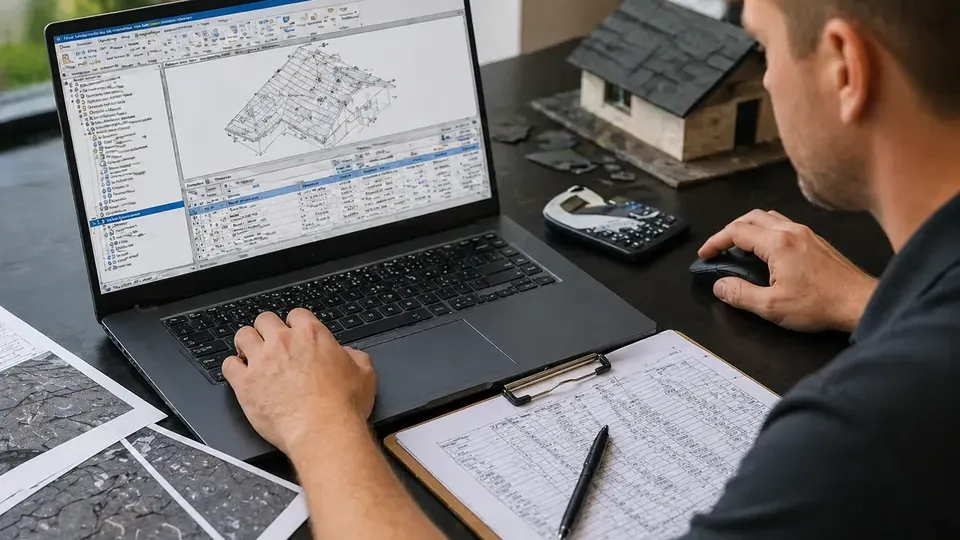
- Prepare our own Xactimate estimate in the same format as the insurer's, so differences are easy to see. See insurance estimate review.
- Submit and follow up with the documentation supporting each disputed item.
- Discuss appraisal if negotiation stalls and the only disagreement is the amount of loss. See insurance appraisal.
Local factors matter. Post-storm demand can push Central Texas repair prices up for months. Hill Country metal roofs, stone veneer, and older homes near downtown may need specialized trades. And the City of San Marcos has enforced the 2021 International Codes since April 1, 2023, which can affect what a compliant repair includes. See our local building codes page.
Repair vs. Replace and Matching
A frequent source of underpayment is the choice between repairing and replacing. An estimate may approve a handful of shingles, a few siding boards, or one room of flooring. That can be appropriate when matching material is available and the surrounding material is sound. It becomes harder to support when the product is discontinued, when older shingles crack as they are lifted, or when new material would plainly not match the color or profile next to it.
Policies treat matching differently, and the answer depends on the wording and the facts. Helpful evidence includes photos of the surrounding material, supplier or manufacturer information on product availability, and a contractor's written explanation of why a spot repair is or is not practical. Specific evidence gives the insurer a concrete reason to reconsider, rather than a general request for more money. A San Marcos public adjuster can help assemble it.
Before You Accept or Sign Anything
Read every document carefully, especially anything labeled a release or final settlement. Keep copies of all estimates and letters. If you believe the insurer acted in bad faith or you are close to a deadline to sue, consult a Texas attorney; public adjusters do not give legal advice. Fees are disclosed in a written contract before any work begins; Texas law caps public adjuster compensation at 10% of the insurance settlement.
If you want a licensed San Marcos public adjuster to compare your settlement with the damage on the ground, start with a Free Claim Review.
Frequently Asked Questions
Can I reopen a claim that was already paid and closed?
Often you can ask the insurer to reopen a closed claim when you have new information, such as damage found during repairs or items the original estimate missed. Whether it is accepted depends on the policy, any deadlines it sets, and whether you signed a release. Ask your insurer about its process and check your policy for time limits.
I cashed the check. Did I give up the right to ask for more?
Cashing a check for the undisputed amount does not by itself close a claim in many cases, but a signed release or settlement agreement can. Read anything you are asked to sign. If a document describes itself as a full and final release, talk to a Texas attorney before signing.
Why is my check smaller than the estimate total?
The check usually reflects the replacement cost estimate minus depreciation, minus your deductible, and minus any earlier payments. On many replacement cost policies, the withheld depreciation can be recovered after repairs are completed. The estimate summary page shows each deduction.
What if my contractor's bid is much higher than the insurance estimate?
Ask the contractor for an itemized bid so it can be compared line by line with the insurer's estimate. The difference may be missing scope, different quantities, or pricing. Each difference needs supporting evidence to be persuasive.
Is there a deadline to dispute an underpaid claim?
Policies often set deadlines for reopening claims, recovering depreciation, and filing suit. Many Texas property policies limit the time to file suit, commonly two years and one day after the claim accrued. Check your policy and consult a Texas attorney about legal deadlines.
Can you guarantee a higher payment?
No. We can identify and document items that appear to be missing or underpriced and present them to the insurer, but the outcome depends on the policy, the evidence, and the insurer's review.