
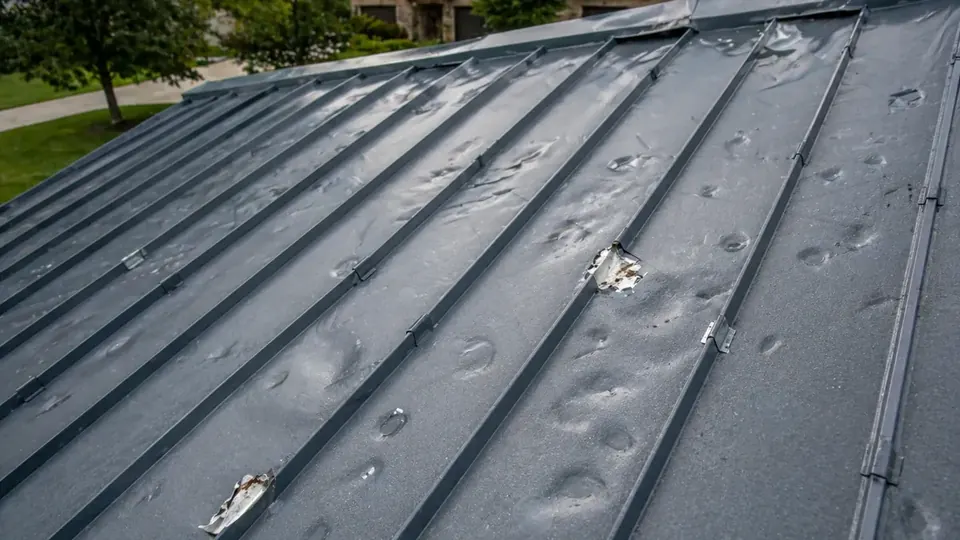
A commercial property insurance claim in San Marcos carries more moving parts than a typical homeowners claim. The building may have a low-slope roof, rooftop HVAC units, and storefront glass. The policy may include coinsurance, business income, extra expense, and ordinance or law provisions, each with its own conditions. And every week the property is out of service costs money. As a San Marcos public adjuster, we represent business owners, commercial landlords, and associations, not the insurer, and help them document the physical damage and the financial loss behind it.
Commercial Properties We Work With
- Retail and restaurants along I-35 and in the downtown square, including strip centers with several tenants.
- Office and medical buildings, where interior build-outs and equipment can make up a large share of the loss.
- Warehouse, flex, and light industrial buildings with metal roofs and large door openings.
- Multifamily communities, from small complexes to student-oriented apartments near Texas State University.
- Condominium and HOA properties insured under an association master policy.
- Churches, nonprofits, and mixed-use buildings.
Storm Exposure Along the I-35 Corridor
Commercial roofs in Hays County face the same spring hail and thunderstorm wind as homes, often on a larger scale. NOAA records note that on January 13, 2007, winds estimated at 70 to 80 mph moved north along I-35 in San Marcos and tore metal roofs off several buildings. On May 9, 2024, thunderstorm winds near 70 mph damaged the roof of a church in San Marcos during the same storm that dropped large hail across the county. Flat and low-slope roofs can hide hail damage under gravel or coatings, and wind damage to edges and flashings can let water in long after the storm.
Hays County is not in the Texas Windstorm Insurance Association area, so San Marcos businesses generally carry wind and hail coverage on their regular commercial policy. That makes the wind/hail deductible and any roof-related endorsements on that policy especially important to understand.
Commercial Policy Provisions That Change the Outcome
| Provision | What it does | What to check |
|---|---|---|
| Coinsurance | Reduces payment if the building is insured below a required percentage of its value | The coinsurance percentage, your limit, and whether an agreed value endorsement applies |
| Business income | Pays lost net income and continuing expenses during the period of restoration | Waiting period, period of restoration, and any extended period of indemnity |
| Extra expense | Pays reasonable costs to keep operating or reduce the shutdown | Temporary location, equipment rental, expedited shipping |
| Ordinance or law | Pays increased costs to meet current codes when repairing covered damage, up to its limit | Separate limits for undamaged portions, demolition, and increased cost |
| Deductibles | Wind/hail deductibles are often a percentage of building value, sometimes per building | Whether the deductible applies per building or per occurrence |
| Roof endorsements | Some policies pay roofs on an actual cash value basis or limit cosmetic damage | Endorsements added at renewal that change roof coverage |
Coinsurance in Plain Numbers
Here is a hypothetical example. A building worth $1,000,000 is insured under a policy with an 80% coinsurance clause, so the requirement is $800,000. The owner carries a $600,000 limit, which is 75% of what the clause requires. On a $100,000 covered loss, the insurer may pay only 75% of the loss before the deductible is applied. The shortfall falls on the owner. Building values change with construction costs, so it helps to review limits at every renewal and not only after a claim.
Business Income and Extra Expense
Business income claims are built from financial records, not photos. Profit and loss statements, tax returns, sales reports, payroll, and lease agreements show what the business would likely have earned. The period of restoration is tied to how long repairs should reasonably take, so delays in getting the property claim resolved can affect the income claim too. We work with the owner's accountant to organize the records the insurer asks for.
Multifamily and HOA Claims
Apartment owners in San Marcos often deal with a mix of building damage, displaced tenants, and lost rent. Documenting each building, roof section, and affected unit separately makes a large claim easier for an insurer to review and less likely to be underscoped. Rent rolls and lease records help support a loss of rents claim when units are vacant during repairs.
Condominium and townhome associations face a different question: who covers what. The master policy, the declarations, and individual unit-owner policies may split responsibility for roofs, exterior walls, interior finishes, and fixtures. Before a large claim moves forward, boards benefit from a clear picture of what the association policy covers and what owners should report on their own policies.
Codes and Permits for Commercial Repairs
The City of San Marcos enforces the 2021 International Codes, including the IBC, IECC, and IEBC, effective April 1, 2023. Commercial repairs often trigger permit review through the city Permit Center, and energy code requirements can affect roof insulation on a replacement. In unincorporated Hays County, the county applies the 2018 International Fire Code to commercial and multifamily construction. Ordinance or law coverage determines whether code-driven costs are payable. See our local building codes page and our article on building codes and insurance repairs.
Records to Gather After a Commercial Loss
Commercial insurers typically ask for more paperwork than homeowners carriers, and a missing record can hold up the whole claim. Start pulling these together early:
- The complete policy, including every endorsement and the most recent statement of values.
- Photos and video of the damage, plus any pre-loss photos, roof inspection reports, or maintenance records.
- Invoices for emergency services such as roof tarping, board-up, water extraction, or fencing.
- Leases, rent rolls, and tenant notices for affected spaces.
- Financial statements, tax returns, and sales records for the past two to three years to support business income.
- Lists of damaged equipment, inventory, and furniture, with purchase records where available.
- Payroll records and a log of extra expenses incurred to keep operating.
Keep a written timeline of the shutdown and the reopening plan. It becomes the backbone of the period of restoration discussion.
How a San Marcos Public Adjuster Supports Commercial Policyholders
- Policy analysis: declarations, forms, endorsements, coinsurance, and deductibles.
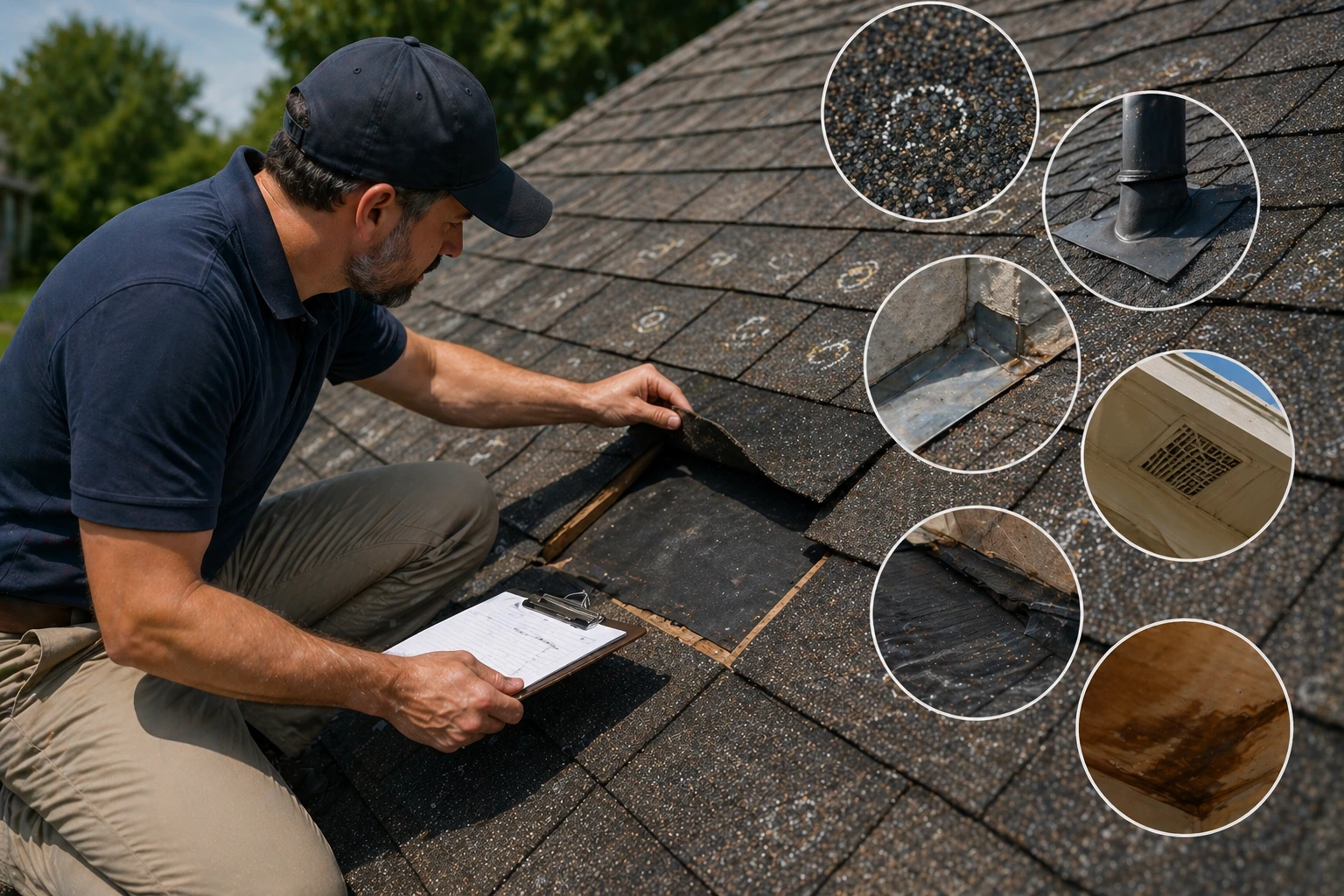
- Building documentation: roof sections, envelope, interiors, rooftop equipment, and contents, using photos, measurements, and Matterport 3D imaging where useful.
- Estimating: a detailed Xactimate estimate the insurer can compare line by line. See insurance estimate review.
- Business income support: organizing financial records and coordinating with your accountant.
- Follow-up and disputes: supplements for hidden damage, and appraisal where the disagreement is over the amount of loss.
We cannot promise a particular result, and coverage always depends on the policy and the facts. Public adjusters are not attorneys; for legal questions, consult a Texas attorney. If the claim is stalled, see delayed insurance claims. To have a San Marcos public adjuster review your commercial claim, request a Free Claim Review.
Frequently Asked Questions
What is a coinsurance penalty?
Many commercial property policies require you to insure the building to a stated percentage of its value, often 80%, 90%, or 100%. If the limit you carry falls short of that requirement at the time of loss, the insurer may reduce the payment in proportion to the shortfall, even on a partial loss. An agreed value endorsement, where available, can suspend the clause. Your policy wording controls.
When does business income coverage start paying?
Business income coverage usually applies only when a covered physical loss causes a suspension of operations. Many forms include a waiting period before lost income is counted, and coverage generally runs through the period of restoration, which is the time reasonably needed to repair the property. Check your declarations and endorsements for the exact terms.
Who files the claim for a condo or townhome community?
It depends on the governing documents and the policies in place. The association's master policy typically covers common elements and, in some communities, building exteriors. Individual owners usually carry their own policies for interiors and belongings. Reviewing the declarations and bylaws alongside both policies helps sort out who claims what.
Can you help with a claim on an apartment complex?
Yes. Multifamily claims often involve many roofs, units, and tenants, plus loss of rental income. We document building by building and unit by unit so the claim can be reviewed in an organized way.
Does a commercial claim take longer than a homeowners claim?
Often, yes. Larger buildings, multiple structures, engineering reviews, and business income calculations add steps. The Texas Prompt Payment of Claims Act still sets general timeframes for insurers, with some exceptions, so tracking requests and responses in writing matters.
Do you charge business owners differently?
Fees are disclosed in a written contract before any work begins; Texas law caps public adjuster compensation at 10% of the insurance settlement. The contract uses TDI-approved terms and can be rescinded within 72 hours of signing.