
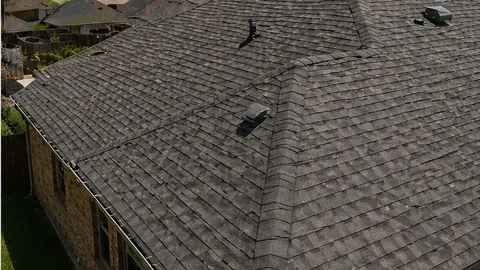
A single spring storm in Hays County can drop hail, push straight-line winds past 70 mph, spin up a brief tornado, and send creeks out of their banks before midnight. That mix is exactly what makes storm damage claims in San Marcos complicated. Different kinds of damage fall under different coverages, deductibles, and sometimes different insurance companies. As a San Marcos public adjuster, we help property owners untangle the event, assign each piece of damage to the right coverage, and document all of it in one consistent file.
Why San Marcos Storms Cause Multi-Peril Damage
San Marcos sits along the Balcones Escarpment, at the edge of the region often called Flash Flood Alley. Storms building over the Hill Country can produce large hail and strong wind and then dump heavy rain on steep, thin-soiled terrain that sheds water quickly toward the Blanco and San Marcos Rivers.
The May 9, 2024 storm shows how much can happen at once. NOAA records describe 3-inch hail at San Marcos Academy west of the city, 2.5-inch hail near the outlet mall, and estimated 70 mph gusts that downed trees and damaged roofs in town. The Hays County Judge signed a local disaster declaration afterward. FEMA’s later DR-4781 declaration for April–June 2024 storms included Hays County for public assistance.
Tornadoes are less frequent but do occur. NOAA counts 31 tornado reports in Hays County, including an EF1 on October 30, 2015 that crossed into the county near Centerpoint Road in San Marcos and caused minor roof damage to a few homes (NOAA record). The same weekend brought more than 15 inches of rain north of San Marcos. See our storm history page for more events.
Which Coverage Handles Which Damage
Getting this right early avoids denials based on the wrong peril. The table below is a general guide; your policy wording controls.
| Type of storm damage | Where coverage usually comes from | Notes |
|---|---|---|
| Hail on roof, siding, windows | Homeowners or commercial property policy | Wind/hail deductible often applies |
| Wind and tornado damage | Homeowners or commercial property policy | Hays County is outside the TWIA area |
| Rain entering through a storm-created opening | Homeowners or commercial property policy | The opening must usually be documented |
| Rising water, creek or river overflow | NFIP or private flood policy | Generally excluded from standard property policies |
| Fallen trees on structures | Homeowners or commercial property policy | Debris removal may have a separate limit |
| Vehicles damaged by hail or flood | Auto policy (comprehensive) | Separate claim with a separate insurer process |
| Spoiled food and lost use of the home | Policy-specific coverages | Additional living expense terms vary |
When rising water and wind both hit the same building, expect the insurers to look closely at which caused what. Our flood damage claims page explains how flood policies differ.
What We Review and Document After a Storm
- Every policy that might respond: homeowners or commercial, flood, and any endorsements for roofs, ordinance or law, or debris removal.
- The timeline: when the storm arrived, when damage was discovered, when it was reported, and what emergency steps were taken.
- The whole property: roof, exterior elevations, interior rooms, outbuildings, fences, and landscaping where coverage applies.
- Emergency work: tarping, board-up, water extraction, and tree removal receipts.
- Weather evidence: NOAA and NWS reports tied to the date and location.

Common Problems After Large Storms
Delays. After widespread storms, insurers bring in outside adjusters and backlogs build. Texas prompt-payment rules set deadlines for acknowledging and deciding claims, but those deadlines can be extended after a declared weather catastrophe. Our delayed claims page explains what to expect.
Quick, incomplete inspections. A busy field adjuster may document the roof and miss the fence, the AC unit, or the interior ceiling. Our underpaid claims service focuses on those gaps.
Mixed causes. Water damage after a storm can be rain, wind-driven rain, or flood, and each is treated differently.
Multiple deductibles. Separate claims or separate storm dates can mean more than one deductible.
Protecting Your Property and Your Claim in the First Week
After a major storm, contractors knock on doors, phone lines are jammed, and it is easy to sign something in a hurry. A steady approach protects both the building and the claim:
- Document first, then mitigate. Photograph and video every damaged area before tarping, extracting water, or cutting up trees, as long as it is safe.
- Make reasonable temporary repairs. Policies generally expect you to prevent further damage. Tarps, board-up, and water extraction are typical; keep the receipts.
- Read before you sign. Be cautious with documents from contractors that assign your insurance benefits or authorize full repairs before the claim is evaluated.
- Keep one log. Record every call, email, and visit with each insurer, including names, dates, and what was said.
- Check each policy separately. If you have flood coverage, report the flood portion to that insurer too, since flood policies have their own timelines.
Our claim documentation checklist and claim tools can help you stay organized while repairs and inspections are scheduled.
How the Process Works
- A free review of your situation, policies, and any insurer correspondence.
- A written, TDI-compliant agreement if you choose to hire us, with a 72-hour right to rescind.
- Inspection, photo documentation, and storm-date research.
- Separate, well-organized estimates for each coverage that applies.
- Ongoing communication with each insurer until the claims are resolved.
Storm Claims for Rental and Commercial Properties
Landlords and business owners face a few extra layers after a storm. A student rental near Texas State may involve the owner’s dwelling policy for the building and each tenant’s renters policy for their belongings. A retail building along the I-35 frontage may have a low-slope roof, rooftop HVAC units, signage, and lost business income to account for. Commercial policies can also carry different deductibles, coinsurance provisions, and reporting requirements. Our commercial property claims page covers those differences in more detail.
When to Call
Call when a storm damaged more than one part of your property, when you are unsure which policy applies, when the insurer is pointing at a different cause than the one you saw, or when the claim has stalled for weeks. Owners in Kyle, Buda, Wimberley, and the rest of Hays County can reach a public adjuster in San Marcos through our free claim review. You can also read more on hail and wind claims.
Frequently Asked Questions
One storm caused roof damage and flooding. Do I file one claim or two?
Often two. Wind and hail damage are usually handled under your homeowners or commercial property policy, while rising-water damage falls under a flood policy (NFIP or private) if you have one. Each claim has its own deductible, adjuster, and timeline.
Does a FEMA disaster declaration mean my insurer has to pay?
No. A declaration opens federal assistance programs, and some declarations for Hays County covered only public assistance to governments. Your insurance claim is still decided under your policy. Texas prompt-payment deadlines can be extended by 15 days after a weather-related catastrophe declared by the Texas insurance commissioner.
How soon after a storm should I report a claim?
As soon as you reasonably can. Policies require prompt notice and reasonable steps to prevent further damage, such as tarping a roof or covering broken windows. Keep receipts for those emergency repairs.
What if two storms hit my property a few weeks apart?
Each storm may be treated as a separate occurrence with its own deductible. Clear photos and dated records help separate the damage from each event. Our storm lookup can help you identify reported dates near your property.
Can a public adjuster handle both my homeowners and flood claims?
A licensed public adjuster can help document and present property damage claims under different policies. The fee arrangement is set in a written contract before work begins, and Texas law caps public adjuster compensation at 10% of the insurance settlement.
Is tornado damage covered differently from other wind damage?
Tornado damage is generally treated as windstorm damage under property policies, so the wind/hail deductible and the same coverage terms typically apply. Check your declarations page for the deductible amount.